Valentine’s Day Cupcake Coloring Card: A Sweet Graphic Design Asset for Crafts and Branding
As a brand designer and content marketer, I’m always on the lookout for graphic design assets that can elevate visual storytelling without compromising on professionalism or versatility. The Valentine’s Day Cupcake Coloring Card caught my eye as a promising addition to any creative toolkit, especially for those in the crafts and graphics space. Let’s take a closer look at how this asset could serve as a valuable component in real-world branding and marketing projects.
A First Impression of Whimsy and Charm
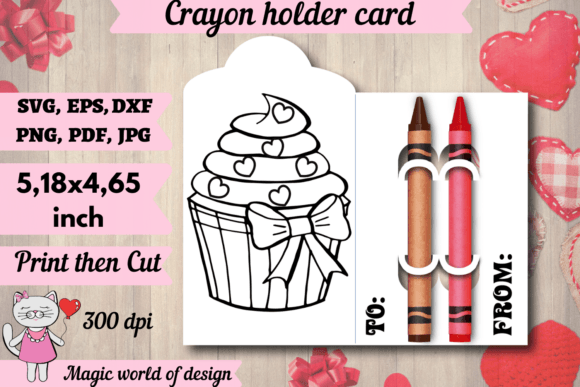
The initial impression of the Valentine’s Day Cupcake Coloring Card is one of playful elegance. It brings a warm, inviting mood with its soft pastel tones and hand-drawn aesthetic, which immediately evokes feelings of celebration, joy, and personalization. This emotional tone makes it ideal for casual branding efforts, lifestyle content, handmade product lines, and event promotions—particularly those targeting a younger or more lighthearted audience.
Its whimsical nature doesn’t come at the cost of professionalism. Instead, it strikes a balance between fun and sophistication, making it suitable for both premium visuals and more approachable designs. For small businesses aiming to create memorable and shareable content during the Valentine’s season, this kind of visual charm is invaluable.
Real-World Application in Marketing Campaigns
When reviewing the Valentine’s Day Cupcake Coloring Card, I considered how it would perform across various platforms and use cases. Here are some practical applications:
- Social Media Graphics: Perfect for Instagram posts, Facebook ads, and Pinterest pins where a mix of creativity and clarity is essential. The card's visual appeal encourages engagement, especially when used as part of interactive content like downloadable printables.
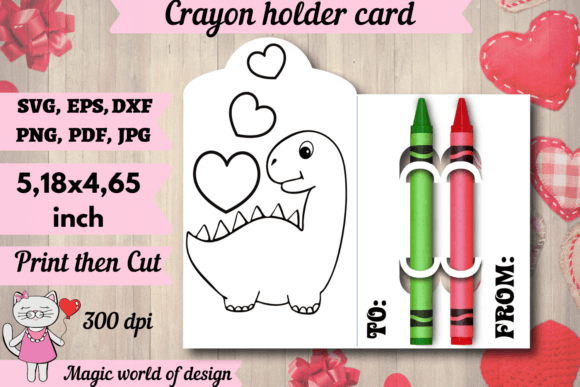
- Editorial Design: Could be integrated into blog headers, email banners, or even packaging inserts for themed products. Its size (5.18 x 4.65 inches) works well in sidebars, pull-out sections, or as decorative accents in newsletters.
- Content Bundles and Lead Magnets: Ideal for including in digital kits, such as Valentine’s Day party planners or printable gift tags. As a freebie, it helps build audience trust and keeps your brand top-of-mind through repeated exposure.
- Product Launches: When launching a new line of Valentine-themed items—like custom cupcakes or desserts—the coloring card can serve as a brand identity element in promotional materials, reinforcing the theme consistently across all touchpoints.
Supporting Key Marketing Goals
This design asset isn’t just cute—it has functional value. Here’s how it supports key marketing goals:
- Stronger First Impressions: The card’s vibrant colors and engaging layout help it stand out from generic holiday graphics, ensuring your campaign grabs attention quickly.
- Clear Visual Hierarchy: While not overly complex, the design maintains a clear focal point (the cupcake), allowing you to layer text or logos effectively without overwhelming the viewer.
- Consistent Branding: If you’re working on a cohesive set of marketing visuals, this asset can be adapted to match your brand colors, fonts, and style guidelines, helping maintain a unified look across different channels.
- Emotional Connection: The hand-drawn feel of the illustration creates a sense of authenticity and warmth, fostering an emotional bond with your audience—especially important for lifestyle brands or educators running school events.
- Memorable Campaign Visuals: Unique and interactive elements like coloring cards tend to leave a lasting impression, particularly when shared on social media or included in DIY craft tutorials.
Where This Asset Shines Brightest
While the Valentine’s Day Cupcake Coloring Card is flexible, it performs best in specific contexts. Consider using it in these areas:
- Hero Graphics: As part of a larger collage or background, it adds a festive yet clean visual punch.
- Branded Templates: Integrate it into Canva templates or SVG/PNG overlays for consistent seasonal content creation.
- Event Flyers and Posters: Its size and format make it easy to include as a standalone treat or within a broader flyer design for parties, workshops, or classroom activities.
- Promotional Banners: Use it subtly in banner designs for Valentine’s Day sales, adding a decorative touch that aligns with your creative design strategy.
- Merchandise and Stickers: Repurpose the illustration into stickers or merchandise for resale or giveaways, enhancing your design bundle offerings.
Use Cases to Approach with Caution
Despite its strengths, there are scenarios where this asset may not be the best fit. As a brand designer, I recommend using it carefully in the following contexts:
- Formal Corporate Branding: The playful nature might clash with a professional or corporate image.
- Dense Information Layouts: Avoid placing it in designs with heavy text or data-driven content, where it could become a distraction rather than a support.
- Small Mobile Graphics: The detail level may reduce legibility if scaled too small for mobile screens or app icons.
- Low-Contrast Backgrounds: Test how it appears over different color schemes to ensure visibility and impact.
- Minimalist Brands: If your brand relies on stark simplicity, the illustrative style may disrupt the intended aesthetic.
Designer Notes for Optimal Use
To ensure the Valentine’s Day Cupcake Coloring Card integrates seamlessly into your project, here are a few tips from the field:
- Test With Your Brand Palette: Overlay the asset on your brand colors to see how it complements or contrasts. Adjust hues or add subtle shadows if needed.
- Check Black-and-White Versions: Ensure the design still looks good in grayscale, especially if it will appear in printed materials or monochrome settings.
- Mockup Integration: Place it in real campaign mockups to evaluate how it interacts with other design elements and messaging.
- Mobile Preview: Always test the design at smaller sizes on mobile devices. Will the cupcake remain recognizable and appealing?
- Font Pairing: Try combining the illustration with different font styles—serif for a classic vibe, sans serif for modernity, script or handwritten fonts for added playfulness, and display fonts for bold statements.
- Spacing and Balance: Pay attention to negative space around the asset. Too much clutter can negate the charm and make the design feel busy.
- Commercial Licensing: Confirm the asset includes a commercial license before using it in paid campaigns, client work, or branded products.
Target Audience and Market Fit
The Valentine’s Day Cupcake Coloring Card appeals to a wide range of audiences, but it particularly resonates with:
- Parents and teachers organizing Valentine’s Day school parties
- Small business owners selling handmade treats or party supplies
- Bloggers and content creators who offer printable crafts or DIY guides
- Social media managers looking for fresh, engaging content to post in February
- Designers creating SVG or PNG assets for a creative marketplace
If your target market values creativity, hands-on activities, or personalized gifts, this asset can become a cornerstone of your content marketing strategy during peak seasons.
Final Thoughts on Brand Communication Value
In summary, the Valentine’s Day Cupcake Coloring Card is a versatile and charming graphic design asset that can enhance both crafts and graphics in numerous ways. It’s not just about looking cute—it’s about building a visual narrative that aligns with your brand’s message and mission.
Whether you're refreshing your social media covers, designing packaging accents, or preparing printable promotions, this asset offers a unique blend of functionality and festivity. However, thoughtful application is key to avoiding visual overload and ensuring it serves your overall professional branding objectives.
For content creators and small business owners seeking to differentiate their digital product offerings, this card is a strong contender. Just remember to adapt it thoughtfully to your brand voice and check licensing terms before deployment. With the right approach, it can become a standout piece in your design assets library—and a sweet success in your next campaign.