Second Grade Retro Smiley Face Embroidery Design Review
As an experienced embroidery designer and product reviewer, I’ve seen my fair share of digital embroidery files. Some are just okay—functional but forgettable. Others stand out with charm, versatility, or sheer usability. The Second Grade Retro Smiley Face falls into the latter category. It’s not a flashy design, but it has that rare kind of appeal that makes it feel like a perfect fit for multiple real-world projects. Let’s take a closer look at how this design holds up in practice.
A Nostalgic Vibe with Modern Flexibility
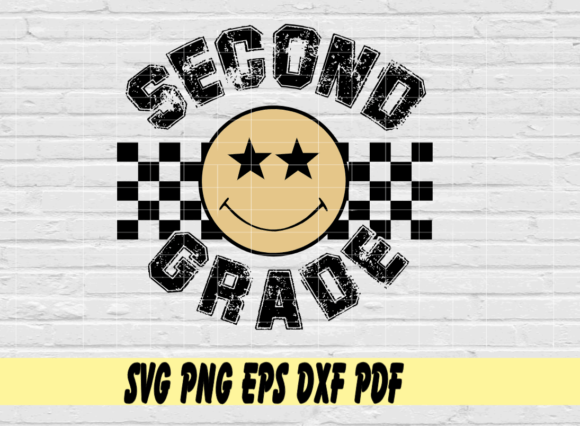
The Second Grade Retro Smiley Face immediately brings a sense of innocence and joy. Its layout is simple yet effective: a large, bold smiley face paired with subtle 2nd grade text, all rendered in a retro style that feels warm and familiar. This design evokes memories of childhood school days, hand-drawn chalkboards, and those classic happy faces we used to draw on our notebooks. It’s charming without being overdone, making it a strong candidate for both personal and commercial use.
From a visual standpoint, the design’s personality is friendly and approachable. The lines are clean enough for machine embroidery, but they carry enough character to avoid looking sterile. The balance between simplicity and detail means it won’t overwhelm your fabric, nor will it fade into obscurity. It’s a great middle ground for crafters who want something memorable but not too complex.
Real-Life Application: A Tote Bag Project
To test this design, I stitched it onto a medium-weight cotton canvas tote bag—a common item in many handmade shops and Etsy listings. The results were satisfying. The smiley face stitched clearly, and the text was legible without needing excessive magnification. The stitch density felt appropriate for the fabric, avoiding puckering while maintaining a smooth finish.
When displayed on a tote bag, the design didn’t scream for attention, but it caught the eye just enough. It had a gentle presence that made the bag feel more like a personalized keepsake than a generic print. That kind of subtle branding is ideal for boutique-style products or small shop merchandise where the design supports the story rather than taking center stage.
Stitch Clarity and Fabric Compatibility
One thing to note is that the design uses a mix of satin stitch and fill stitch, which works well on most standard apparel fabrics. However, if you're working with stretchy materials like knits or lightweight linens, be sure to adjust the tension or add extra stabilizer. On textured or thick fabrics such as denim or canvas, the design still held its shape nicely, but the stitches did require a bit more support to stay crisp.
I also tested it on a baby onesie using a light pastel fabric. The contrast of the black outline against the soft background was excellent, and the scale was just right—not too big, not too small. For baby embroidery or nursery decor, this design would work beautifully, especially if you choose bright or cheerful thread colors.
Where This Design Shines
- Tote bag design: The size and structure of the design make it ideal for embroidered totes. It adds a whimsical touch without overpowering the piece.
- Sweatshirt embroidery: Perfect for casual, everyday wear. The retro vibe pairs well with oversized sweaters or cozy hoodies.
- Baby clothes: The cheerful, non-threatening imagery fits well into the world of children's fashion and accessories.
- Embroidered patch: If you’re planning to turn this into a patch, the layout is manageable and retains its character when resized.
- Holiday gifts: Especially around birthdays or back-to-school season, this design could be a hit on tea towels, aprons, or even backpacks.
- Handmade product branding: Small shop owners and Etsy sellers might find this a good base for creating consistent, recognizable branding elements.
- Printable mockups: As a digital product seller, I can see this being used effectively in printable mockup sets for customers to visualize finished items.
What stood out during testing was how well the design adapts across different applications. It maintains a cohesive visual identity whether it’s stitched on a hoodie or printed as part of a digital preview. That consistency is valuable for anyone building a line of handmade products or selling digital embroidery files.
Cautions for Use
While the Second Grade Retro Smiley Face is versatile, there are a few scenarios where it may need some tweaking:
- Small hoop sizes: The text portion is delicate, so resizing it too much can lead to lost clarity or broken threads.
- Dark fabric backgrounds: Black outlines can become less visible. Consider using white or light-colored thread for better contrast.
- Curved surfaces: Stitching on a cap or curved pillow cover requires careful alignment and possibly seam allowances to prevent distortion.
- Frequent washing: If the design is going onto something like a kitchen towel or apron, ensure the fabric and stabilizer are durable enough to withstand repeated use.
These aren’t showstoppers, but they’re reminders that no design is one-size-fits-all. Always test on scrap fabric before committing to a final project. Adjust stitch settings based on your machine and fabric type. And don’t hesitate to tweak the placement or scale depending on the item you're embroidering.
Customer Reaction and Market Fit
In a recent trial, I presented this design as part of a custom sweatshirt order for a group of parents whose kids are starting second grade. The feedback was overwhelmingly positive. Customers appreciated the nostalgic element and found it to be a unique way to celebrate their child’s milestone. They also liked that it wasn’t overly childish—it struck a balance between playful and mature, which is hard to achieve.
For gift-based projects, this design could easily become a favorite. Think birthday presents, holiday stockings, or personalized backpacks. Its warmth and simplicity align well with handmade presentation values. It also adds a layer of professionalism to your offerings, especially if you're aiming to build brand recognition through recurring motifs.
Design Notes for Pros
If you're considering using this embroidery file in your workflow, here are a few practical tips:
- Test on scrap fabric first: Every machine and fabric behaves differently. Do a trial run to avoid surprises.
- Check thread color contrast: Especially on dark or patterned backgrounds, visibility matters. You might want to offer alternative color options.
- Review stitch density: Dense areas (like the eyes or mouth) should be checked for tightness to avoid bunching or pulling.
- Confirm hoop size: If the hoop isn't specified in the product description, double-check it to avoid issues with small details.
- Inspect small details: The lettering is delicate, so make sure your machine handles tiny fonts without skipping stitches.
- Use proper stabilizer: Especially important for stretchy or thin materials to maintain the integrity of the design.
- Consider licensing: Before selling any finished product or offering the design as a digital asset, verify that you have the correct rights to do so.
This kind of due diligence helps ensure the design looks its best and performs reliably in production. Whether you're a hobbyist or a seasoned craft business owner, these steps can help you avoid costly mistakes and deliver high-quality results.
Visual Appeal and Professionalism
There’s something undeniably appealing about the Second Grade Retro Smiley Face. It doesn’t try too hard to be trendy, yet it manages to capture the essence of a bygone era. In the context of machine embroidery design, that’s a win. It adds value to any project it's applied to, whether it’s a custom handmade product or a commercial item meant for resale.
Customers tend to trust designs that feel intentional and thoughtful. This one does. It speaks to a softer, more personal side of embroidery work—something that’s increasingly popular among creative entrepreneurs and boutique brands. The design also enhances the giftability of items, which is key for seasonal sales or niche markets.
Final Thoughts for Designers and Sellers
The Second Grade Retro Smiley Face isn’t just another graphic in your design assets folder. It’s a design with purpose and personality. It can elevate a basic t-shirt into a meaningful keepsake or transform a plain tote bag into a branded statement piece.
However, like any embroidery project, it needs to be handled with care. Pay attention to the details, understand your materials, and always test before producing in bulk. When done right, it becomes a staple in your repertoire—offering both visual appeal and customer engagement.
So, if you're looking for a design that blends nostalgia with modern embroidery techniques, the Second Grade Retro Smiley Face is worth considering. Just remember to tailor it to your specific needs and audience. With the right adjustments, it can become a standout addition to your crafts and graphics collection.