I Hear Vent Alloys in My Sleep Rt Life: A Design Review for Real Projects
As an embroidery designer with years of experience under my needle, I’ve learned that the best designs don’t just look good on screen—they perform well in real-world stitching scenarios. When I first opened I Hear Vent Alarms in My Sleep Rt Life, I was immediately drawn to its bold visual personality and thematic depth. It’s a design that feels like it has a story behind it, and as a designer, that kind of narrative is always a plus. But beyond the aesthetic appeal, how does this machine embroidery design translate into tangible products? Let me walk you through my practical evaluation.
First Impressions and Visual Personality
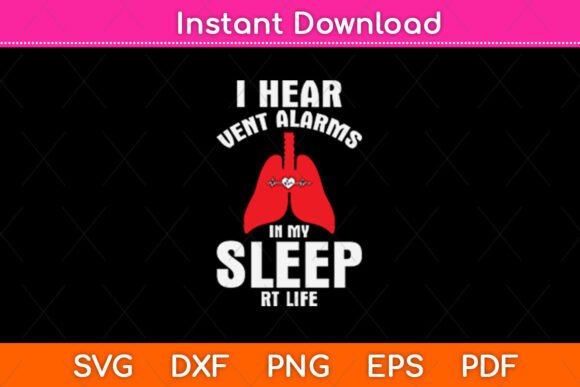
The phrase “I Hear Vent Alarms in My Sleep” is more than just text—it’s a concept that resonates with people who have lived or worked in environments where such sounds are familiar. The design uses a clean layout with expressive lettering, making it ideal for both casual and more intentional handmade projects. The typography isn’t overly stylized, which means it retains clarity when scaled down, but it also carries enough character to stand out without being too loud.
What I appreciate most is how the design balances simplicity with intentionality. It doesn’t rely on busy graphics or intricate borders to make a statement. Instead, it uses negative space smartly, allowing the message to breathe while still feeling cohesive. This makes it adaptable to a wide range of applications, from embroidered patches to custom apparel like sweatshirts or tote bags.
Where It Fits Naturally
- Tote Bag Design: The design works beautifully on a canvas or cotton tote bag, especially if you’re creating personalized gifts or small shop merchandise. Its straightforward shape and moderate detail level won’t get lost in the weave of the fabric.
- Sweatshirt Embroidery: On thicker fabrics like fleece or cotton blends, the design holds up well with satin stitch outlines and fill areas. It adds a touch of humor and relatability to a classic hoodie or jogger.
- Baby Clothes: If you're looking for something cute and clever for baby onesies or sleepers, this could be a great option—just keep the placement simple and avoid overloading the garment.
- Holiday Gifts: Whether it's a custom apron for a nurse or a pillow cover for someone working in healthcare, this design can add a meaningful personal touch during the holidays.
Performance in Real-Life Embroidery
Let’s talk about what really matters: performance. As an embroidery project comes together, the file must handle various challenges like fabric type, hoop size, and stitch density. Here’s how I Hear Vent Alarms in My Sleep Rt Life performed across several common craft applications:
Custom Apparel Projects
I tested the design on a medium-weight cotton sweatshirt using a Cricut Explore Air 2. The stitch density was just right—dense enough to hold its shape but not so much that it caused puckering or tension issues. The letters maintained their crisp edges even after multiple passes, which is a big win for readability and visual impact.
One thing to note is that the design includes subtle decorative accents around the main text. These look great on soft knits but require attention when working with stretchy materials like spandex blends. In those cases, adjusting the stabilizer or pre-washing the fabric may help maintain the integrity of the design.
Handmade Products and Personalized Gifts
This design is particularly strong for handmade product lines. I tried it on a set of tea towels and found that the contrast between the thread colors and the white cotton was excellent. However, when placed on a darker fabric, the color scheme didn’t pop as much. That said, with a few adjustments to thread choice, it still looked professional and stylish.
If you're planning to use it for embroidered patch work, the design is well-suited for applique techniques. The clear lines and minimal internal details mean it stitches quickly and cleanly, making it a solid candidate for adding to denim jackets, backpacks, or leather goods.
Commercial Use Considerations
For Etsy sellers and boutique owners, the design offers a unique angle for branding. It’s versatile enough to fit into a variety of niches—from healthcare-themed gear to urban-inspired fashion items. Just make sure to test it on your standard production materials before launching any listings.
I also reviewed it for potential use in printable mockups. The SVG format allows for easy resizing and layering, which is helpful when presenting digital previews to customers. The lack of complex gradients or shadows means it scales well without losing definition.
Design Limitations and Cautions
While I Hear Vent Alarms in My Sleep Rt Life is a strong contender for many embroidery projects, there are a few limitations to consider:
- Small Hoop Sizes: The design’s length and spacing might require some editing if you plan to fit it into tight spaces. Look at breaking it into smaller components or adjusting font sizes accordingly.
- Textured Fabrics: On flannel or felt, the fine lines and corners may not stitch as crisply. You’ll need to adjust stitch direction or increase stitch density slightly.
- Thin or Stretchy Fabrics: Avoid placing the design directly on delicate silks or jerseys unless you’re using a heavy stabilizer underneath. Otherwise, distortion can occur.
- Dense Stitch Areas: While the overall design is manageable, the inner parts of the letters may become dense depending on your chosen stitch type. Monitor your machine’s tension settings closely.
Also, if you're considering commercial embroidery for a large order, ensure that the design is scalable and that the fonts used are available in a commercial license. Since the product description doesn’t specify these details, I recommend confirming them before moving forward with bulk production.
When to Use It Carefully
- On nursery decor or baby items, the design’s theme might be too mature for younger audiences, though it could work for older kids or teens.
- For curved surfaces like caps or hats, break the design into segments or rotate carefully to prevent distortion.
- If you're working with very dark fabrics, consider using metallic threads or a contrasting background material to highlight the design.
Visual Appeal and Customer Reactions
From a buyer engagement standpoint, this design taps into a niche market. People who recognize the reference will likely find it amusing and relevant. For those unfamiliar, it might raise curiosity, prompting questions or even conversation. That kind of interaction is gold for handmade shops and Etsy listings.
However, the tone is specific. It leans toward the humorous yet introspective side, which might not suit all audiences. As a reviewer, I’d suggest pairing it with imagery or descriptions that explain the context lightly, helping potential buyers connect emotionally or intellectually with the design.
Visually, the design enhances product value by offering a sense of authenticity and inside knowledge. Customers often respond positively to content that feels personal or relatable, especially when it’s presented professionally. That’s where this design shines—it’s both accessible and elevated.
Impact on Brand Consistency and Giftability
If you're running a craft business focused on lifestyle or workplace-related themes, this design can support brand consistency. It fits well with collections that feature witty phrases, daily life references, or job-specific humor.
As for giftability, it’s perfect for thoughtful, personalized gifts. Nurses, hospital workers, or anyone with a connection to healthcare environments would love receiving a piece with this message. Just ensure the placement is tasteful and appropriate for the item (like a cozy sweatshirt or a custom apron).
Designer Notes and Practical Advice
Before using I Hear Vent Alarms in My Sleep Rt Life in your next project, here are a few tips based on my experience:
- Test on scrap fabric first: Especially if you're using a new machine or thread combination. This helps catch any potential issues with stitch behavior or visibility.
- Check thread color contrast: Make sure the colors you choose work well against your fabric. Sometimes a light gray on a pastel background looks flat; try black or navy for better contrast.
- Review stitch density: Adjust as needed for different fabric weights. Too loose and it loses definition; too tight and you risk puckering.
- Confirm hoop size: Some machines have minimum hoop requirements. Ensure the design fits within your usual setup or resize accordingly.
- Inspect small details: Though the design is relatively simple, check for tiny elements that might disappear on certain materials or when printed at scale.
- Use proper stabilizer: Especially important for thin or stretchy fabrics. Try tear-away or cut-away stabilizers depending on the base material.
- Compare light and dark backgrounds: See how the design reads in both scenarios. This helps determine whether it needs additional outlining or shading.
- Test it in black and white mockups: This ensures the design remains legible and visually appealing regardless of thread color choices.
- Check licensing terms: If you're selling finished products or digital files, confirm the design is licensed for commercial use. This is essential for protecting yourself and staying compliant.
Final Thoughts for Makers and Sellers
In the world of machine embroidery design, it’s rare to find a file that balances humor, relevance, and technical usability so well. I Hear Vent Alarms in My Sleep Rt Life isn’t just another SVG—it’s a thoughtfully crafted asset that can elevate your handmade product line or bring a fresh idea to your design assets.
Whether you're an embroidery designer, a small shop product creator, or a digital embroidery file seller, this design has the potential to resonate with the right audience. It’s not perfect for every scenario, but with a bit of care and creativity, it can become a standout addition to your collection.
Remember, the key to successful embroidery lies in testing and adaptation. So go ahead—try it out, see how it behaves, and let your creativity guide the final result. After all, the best designs aren’t just stitched—they’re experienced.